
Introduction to Nukleotidy
Have you ever wondered what truly makes up the fabric of life? The answer lies in something as small and seemingly simple as nukleotidy. These tiny molecules are not just building blocks; they are essential components that power our very existence. From the DNA that carries our genetic blueprint to the RNA that plays a crucial role in protein synthesis, understanding nukleotidy opens up a world of biological wonders. Join us on this journey to uncover their secrets and discover how these remarkable entities influence everything from cellular function to your health and diet. Let’s dive into the fascinating realm of nukleotidy!
The Composition and Structure of Nukleotidy
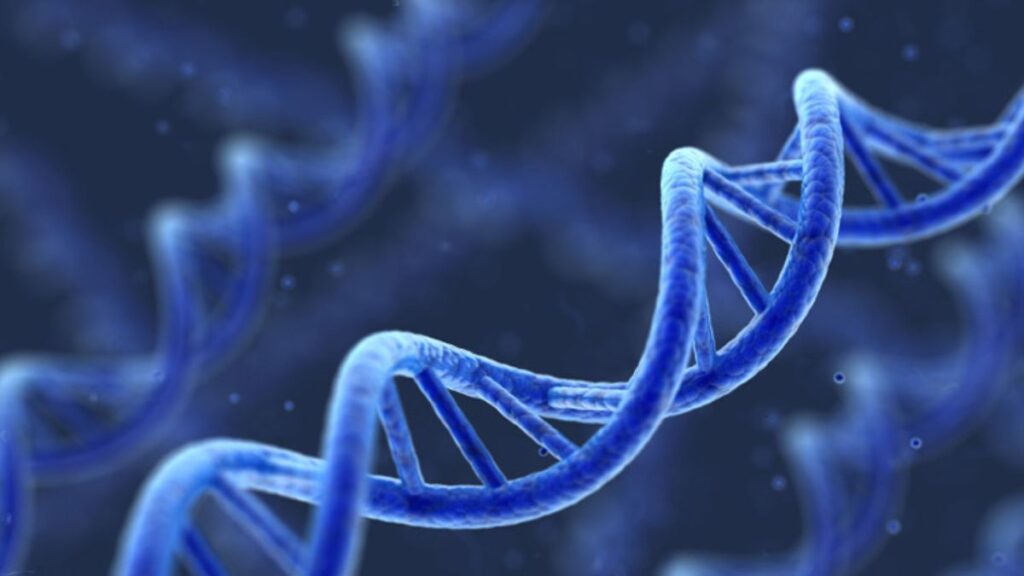
Nukleotidy are fascinating molecules that serve as the essential building blocks of nucleic acids, like DNA and RNA. Each nukleotid is made up of three primary components: a nitrogenous base, a sugar molecule, and one or more phosphate groups.
The nitrogenous base can be either purine or pyrimidine. Purines include adenine and guanine, while pyrimidines encompass cytosine, thymine, and uracil. This diversity in bases allows for the encoding of genetic information.
Connected to this base is a five-carbon sugar known as ribose in RNA or deoxyribose in DNA. The differences between these sugars significantly affect each nucleic acid’s stability and function.
Phosphate groups link together through phosphodiester bonds to form long chains. This structure creates the backbone necessary for storing genetic information securely while allowing precise replication and transcription processes to occur efficiently.
The Importance of Nukleotidy in Biological Processes
Nukleotidy play a pivotal role in the fundamental processes of life. As the building blocks of DNA and RNA, they encode genetic information essential for all living organisms. Without them, reproduction and heredity would be impossible.
These molecules are crucial for cellular energy transfer as well. ATP, a type of nukleotid, fuels various metabolic activities within cells. It’s like an energy currency that powers everything from muscle contraction to nerve impulse transmission.
Moreover, nukleotidy participate in signaling pathways that regulate cellular functions. They help cells respond to external stimuli by activating or inhibiting specific genes.
Their presence is vital not only for growth but also for repair mechanisms during stress or injury. The intricate roles they play highlight their significance in maintaining life itself across diverse biological systems.
Benefits and Uses of Nukleotidy in the Medical Field
Nukleotidy have gained attention in the medical field for their numerous benefits. These essential compounds play a crucial role in cellular functions, including energy transfer and genetic information storage.
One significant application is in regenerative medicine. Nukleotidy are being explored for their potential to enhance tissue repair and regeneration. They contribute to DNA synthesis, making them vital during recovery from injuries.
Additionally, they support immune function by aiding cell signaling processes. This can help bolster the body’s defenses against infections and illnesses.
Research also indicates that certain nucleotides may improve gut health by promoting a balanced microbiome. This is particularly relevant for patients dealing with digestive disorders.
Moreover, some studies suggest that incorporating nukleotidy into treatments can enhance athletes’ performance through improved recovery times after intense workouts. Their multifunctional nature positions them as valuable assets in various therapeutic areas.
How to Incorporate More Nukleotidy into Your Diet
Incorporating more nukleotidy into your diet can be a simple yet effective way to boost your overall health. Start by focusing on protein-rich foods. Chicken, fish, and lean meats are excellent sources of nucleotides.
Don’t forget about legumes. Beans and lentils provide both protein and essential nutrients that contribute to nucleotide synthesis. Incorporate them in salads or soups for added flavor.
Whole grains like oats, quinoa, and brown rice are not only filling but also rich in nucleotides. They make great bases for meals or quick snacks.
Fruits and vegetables shouldn’t be overlooked either. Leafy greens, berries, and citrus fruits promote healthy cellular function while contributing necessary compounds for nucleotide production.
Consider supplements if dietary changes aren’t enough. Nucleotide supplements can help fill the gaps ensuring you get what you need without overhauling your entire meal plan.
Common Misconceptions about Nukleotidy
Nukleotidy often get misunderstood, leading to myths that can cloud their importance. One common misconception is that they are only relevant in genetics. While it’s true they play a key role in DNA and RNA, their functions extend far beyond.
Another myth suggests that nukleotidy supplements are unnecessary for healthy individuals. However, these compounds support cellular processes and energy production, making them beneficial even for the average person.
Some also believe all nucleotides are created equal. In reality, different types serve distinct purposes within our bodies. Understanding this diversity can help clarify their roles in metabolism and signaling pathways.
Many think you must consume large doses of nukleotidy to reap benefits. In fact, a balanced diet typically provides adequate amounts without the need for excessive supplementation or special diets.
Conclusion: Embracing the Power of Nukleotidy for a Healthier Life
Embracing the power of nukleotidy can profoundly impact your health and well-being. These fundamental building blocks are essential for numerous biological processes, from energy production to DNA synthesis. Incorporating more nukleotidy into your diet is not just a scientific approach but also a practical one.
By understanding their composition and structure, you can appreciate why they play such a vital role in cellular function and overall health. Many foods naturally contain nucleotides, making it easier than ever to enhance your intake through simple dietary changes.
In the medical field, the benefits of nukleotidy continue to be explored. They show promise in boosting immune response, aiding recovery from illness, and even improving athletic performance. As research advances, we may uncover even more ways these tiny molecules contribute to our well-being.
It’s crucial to dispel common misconceptions about nukleotidy as well. Often overlooked or misunderstood due to their complexity, their significance should not be underestimated. Educating yourself on this topic empowers you to make informed choices for better health.
By embracing these powerful compounds today—through nutrition and awareness—you pave the way for a healthier life tomorrow. As science continues unveiling new insights about nucleotides’ roles in our bodies, staying informed will only benefit those seeking optimal wellness.