Keeping a basement dry in Albany, New York, starts with understanding that water does not always appear as a dramatic flood. A faint stain at the base of a wall, a recurring musty odor, or a box that feels damp after a rainy week can reveal a problem worth investigating. Practical waterproofing begins by tracing where the moisture originates, rather than simply covering the visible symptoms. Albany homeowners may notice basement concerns around spring thaw, heavy rain, humid summer days, or winter temperature swings. Each condition can affect the ground around a foundation, the amount of moisture in the air, or the performance of drainage equipment. A consistent inspection routine makes it easier to notice changes before stored belongings, finished surfaces, or building materials remain wet for too long.
Why Basement Moisture Needs Early Attention
Moisture can affect far more than a basement floor. Cardboard, fabrics, drywall, insulation, wood framing, and flooring can retain water or provide places where mold may grow. Even a basement that looks dry can have elevated humidity, hidden dampness behind finished walls, or condensation on cool pipes and concrete surfaces. Look for clues such as bubbling paint, dark streaks, rust on metal components, warped wood, a white chalky residue on masonry, and odors that return after the room has been closed. These signs do not identify the cause on their own, but they provide useful information about where to begin checking. Where below-grade drainage is part of the home’s water-management plan, homeowners should understand how Sump Pumps fit into the larger system. A pump can remove collected water from a basin, but it does not replace clear gutters, properly directed downspouts, sound grading, or repairs to active plumbing leaks.
Find the Source Before Choosing a Fix
The best response depends on the water pattern. Start by considering four common sources:
- Rain and surface runoff: Water can collect beside the foundation when roof runoff, paved surfaces, or settled soil direct it toward the house.
- Groundwater: Water below the surface can move through cracks, porous masonry, wall-and-floor joints, or floor openings.
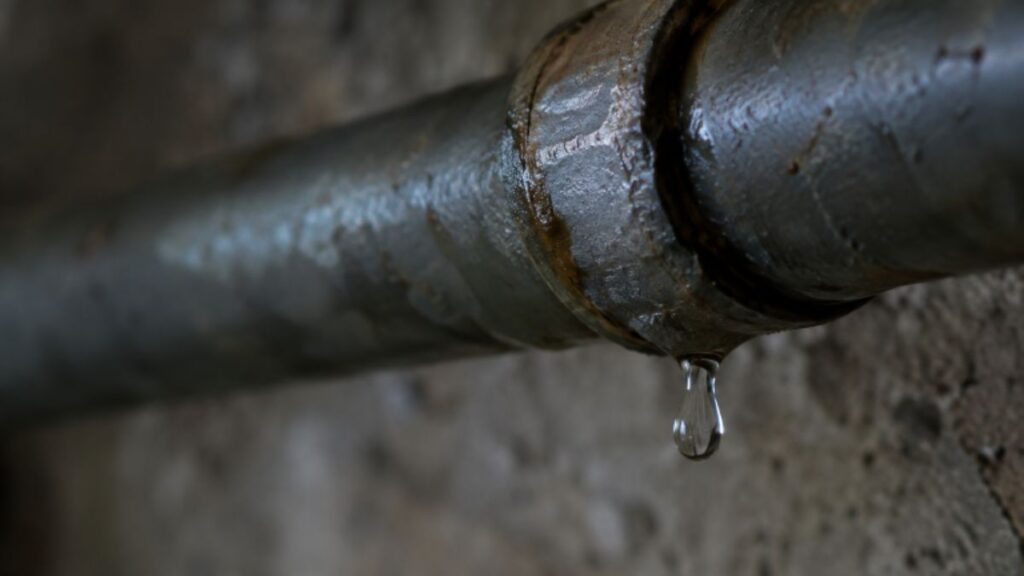
- Indoor leaks: Washing machines, water heaters, plumbing fittings, condensate lines, and drains can create localized wet areas.
- Condensation: Humid air can form droplets when it contacts cool concrete, metal pipes, or other cold surfaces.
Take notes after storms, during snowmelt, and after using water-using appliances. If moisture appears only after rain, exterior drainage deserves close attention. If a damp patch remains during dry weather, inspect nearby plumbing and appliances. If droplets form on pipes or walls without a visible leak, humidity and condensation may be involved.
Start Outside With a Drainage Check
Exterior water control is often the first place to look. Walk around the home after rainfall and check whether gutters are clear, downspouts discharge away from the foundation, and water pools near the walls. Window wells should be free of leaves and standing water, and sprinklers and hoses should not repeatedly soak the same area of the foundation. Pay attention to soil that has settled toward the house. The EPA notes that basement moisture problems may be addressed by redirecting downspout runoff and grading the ground away from the foundation. These exterior corrections should come before relying on an interior coating or cosmetic wall repair.
Use Humidity Checks to Catch Hidden Problems
An inexpensive hygrometer can help track relative humidity in a basement. Take readings at different times of day, after prolonged rain, and during humid summer weather. Condensation on pipes, damp cardboard, swollen wood, or a persistent musty smell can indicate that the air holds too much moisture. A dehumidifier can help reduce airborne moisture, but it cannot prevent water from entering through a crack, a floor joint, a failed drain, or a leaking appliance. Empty and clean the unit as directed by its manufacturer, and treat a constantly full reservoir as a reason to look more closely at the room and its water sources.
Inspect Walls, Floors, and Foundation Joints
Make a slow inspection part of your seasonal routine. Look for new or widening cracks, damp streaks, peeling coatings, mineral deposits, rust, and water at the joint where the wall meets the floor. Lightly mark suspicious cracks with a pencil and date each mark so changes are easier to observe over time. Cracks with visible displacement, repeated seepage, or signs of wall movement warrant evaluation by a qualified professional. Do not conceal recurring moisture behind paneling, storage shelves, carpeting, or newly finished walls.
Keep Sump Equipment Ready for Heavy Rain
- Pour water into the pit to confirm that the float activates the pump.
- Verify that water travels through the discharge line and exits away from the foundation.
- Check for loose fittings, clogs, frozen discharge sections, or water that drains back toward the house.
- Inspect the backup battery, if the system includes one.
- Keep the basin area clear so the float and moving parts can operate freely.
Basements and Crawl Spaces Need Different Checks
Basements often need attention to walls, floors, drains, appliances, and sump pits. Crawl spaces require a closer look at exposed soil, ground coverings, framing, standing water, odors, and signs of wood deterioration. In either space, moisture management should address the route water takes into the area, not just the materials that become damp.
Choose Repairs Based on the Water Pattern
Condensation requires humidity control, air movement, and proper insulation of cold surfaces. Rain runoff calls for improvements to gutters, downspouts, grading, and window wells. Plumbing leaks require repair at the failed pipe, connection, appliance, or drain. Standing water should be removed safely, followed by an investigation into why the drainage plan did not keep up. The EPA advises homeowners to dry water-damaged materials within 24 to 48 hours when possible and to fix the underlying water problem. Do not run electrical equipment through standing water, paint over active dampness, or assume that a musty smell is harmless because no puddle is visible.
A Simple Seasonal Moisture Routine
- Spring: Check for snowmelt effects, clear gutters, inspect grading, and test sump equipment.
- Summer: Monitor humidity, condensation, dehumidifier performance, and basement odors.
- Fall: Remove leaves from gutters and window wells, then inspect downspout extensions.
- Winter: Watch for frozen discharge lines, ice near exits, and condensation on cold surfaces.
Common Questions Homeowners Ask
Is a damp basement always a major problem?
Not necessarily. A small amount of condensation may be manageable, but recurring seepage, standing water, growing cracks, or materials that remain wet should not be ignored.
Can a dehumidifier stop basement leaks?
No. A dehumidifier manages moisture in the air. It does not stop water from entering through the foundation, a plumbing failure, or poor exterior drainage.
Should a basement be finished before moisture problems are fixed?
No. Resolve leaks, drainage concerns, and humidity problems first. Finished materials can hide water entry and make drying more difficult if moisture returns.
Conclusion
A dry Albany basement depends on regular observation and maintenance, especially during periods of heavy rain or changing seasonal conditions. Homeowners should check outdoor drainage, monitor indoor humidity, inspect foundation surfaces, test sump pump equipment, and record any changes observed after storms. Keeping gutters clear, directing downspouts away from the foundation, and checking for standing water around the property can also help identify possible sources of moisture. Inside the basement, watch for damp spots, peeling paint, musty odors, condensation, or signs of water along walls and floors. When moisture keeps returning, it is important to identify the path the water takes before choosing a repair. A recurring problem may involve grading, drainage, foundation openings, plumbing, or indoor humidity. Addressing the underlying cause, rather than simply covering the evidence, can help support a more durable solution and make the basement easier to maintain over time.