
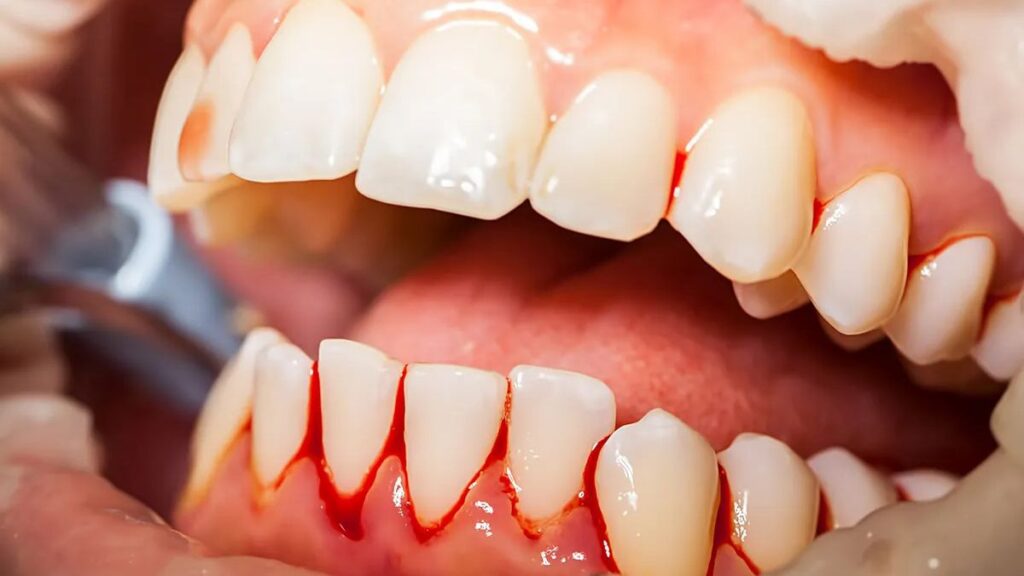
Healthy gums form the foundation for a radiant smile and are crucial for strong, functional teeth. Bleeding gums often serve as an early indicator that you may need to improve your oral care routine, but they can also be a warning sign for underlying gum disease or other overall health issues, such as diabetes or vitamin deficiencies. Understanding the causes of gum troubles and knowing how to prevent and address them empowers you to take charge of your oral health. Developing these habits early helps avoid discomfort from bleeding gums and protects your smile throughout your life. Maintaining gum health requires consistent oral hygiene, smart lifestyle choices, and professional dental visits when needed. Neglecting brushing, flossing, and habits like smoking heightens the risk of gum disease. In contrast, eating nutritious foods, managing stress effectively, and practicing proper dental techniques can help prevent gum disease and maintain long-term oral health.
Adopt a Thorough Oral Hygiene Routine
Commit to a daily routine of brushing and flossing to minimize the formation of plaque and prevent gum irritation. Plaque, a sticky film formed by bacteria, accumulates quickly and is a principal cause of gum problems such as gingivitis and persistent gum bleeding. Use a fluoride toothpaste to strengthen both teeth and gums, and select a soft-bristled toothbrush that gently cleans without harming your gum line. Brushing for at least 2 minutes in the morning and before bedtime, combined with once-daily flossing, helps remove food debris and bacteria from hard-to-reach areas between your teeth and just below the gum line. Both manual and electric toothbrushes can be highly effective, provided you use proper technique and replace your toothbrush every 3 to 4 months, or sooner if the bristles become frayed.
Incorporate Antiseptic Mouthwash
Beyond brushing and flossing, incorporate an antiseptic or antibacterial mouthwash into your daily regimen. These rinses offer an extra layer of protection against bacteria, helping to reduce plaque buildup and soothe sensitive or bleeding gums. If you find commercial mouthwashes too harsh or too expensive, a simple homemade saltwater rinse remains a tried-and-true option embraced by dental professionals worldwide. To make one, dissolve a teaspoon of salt in a cup of warm water, then swish it around in your mouth for about 30 seconds. Doing this once or twice daily can ease gum inflammation and promote healing by reducing harmful bacteria.
Maintain a Balanced Diet
Your gums, like the rest of your body, rely on balanced nutrition to remain healthy and resilient. Vitamins and minerals play direct roles in gum healing and maintenance. Vitamin C, present in oranges, strawberries, bell peppers, and leafy greens, bolsters your immune defenses and helps repair connective tissues, deficiency can lead to bleeding, irritated gums. Vitamin K, abundant in kale, spinach, and broccoli, assists with blood clotting and supports tissue healing, which can minimize the risk or severity of bleeding gums. Incorporating crunchy fruits and vegetables can naturally stimulate your gums and help clean your teeth as you chew. Remember to limit sugary snacks and sodas, as excessive sugar fosters bacterial growth that directly contributes to gum disease.
Avoid Tobacco Products
Smoking, vaping, and all forms of tobacco use drastically increase your chances of developing gum problems by restricting blood flow, weakening gum tissue, and impairing your immune system’s ability to heal. Nicotine and other toxic compounds in tobacco can mask early symptoms like bleeding, making gum disease harder to detect until significant damage has occurred. By quitting tobacco, or never starting, you significantly improve not just your oral health but your well-being as a whole.
Manage Stress Levels
Many people are surprised to learn that stress can directly affect their gum health. Chronic stress weakens your immune defenses, making your gums more susceptible to infection and inflammation. It can also cause you to neglect oral hygiene routines or lead to unconscious habits like teeth grinding, which can irritate gums and even result in gum recession or bleeding. Engaging in calming activities such as meditation, yoga, walking, or creative hobbies can help lower stress levels and support your oral health. If you find yourself regularly neglecting your dental hygiene during busy or stressful periods, set gentle reminders or pair oral care with other daily habits.
Regular Dental Check-Ups
No matter how diligent you are with your home care, visiting your dentist twice a year is essential to prevent and treat gum disease in its earliest stages. Professional cleanings remove tartar (hardened plaque) that regular brushing and flossing cannot, and dental professionals can spot potential problems before they escalate. Early detection enables effective interventions for gum issues. Your dentist or hygienist can offer personalized advice on brushing and flossing techniques, recommend suitable products, or perform gentle yet thorough cleanings if you struggle with sensitive gums. Addressing gum bleeding early prevents mild gingivitis from turning into periodontitis, a more serious and potentially irreversible condition.
Be Gentle with Your Gums
The tools and techniques you use matter as much as how frequently you clean your teeth and gums. Using hard or medium-bristle toothbrushes or brushing too vigorously can erode gum tissue, increase irritation, and prompt or worsen bleeding. Rather, use a soft-bristled brush and gentle, circular brushing motions. When flossing, glide the floss gently between teeth and curve it into a ‘C’ shape against each tooth, carefully moving below the gum line without snapping it. Consistency with gentle habits protects delicate gum tissue, helps prevent future gum damage, and makes your oral hygiene routine more pleasant.
Stay Hydrated
Drinking plenty of water benefits gum health by rinsing away food particles and sugars, reducing the risk of cavities and gum disease. Well-hydrated gums are more resilient to bacteria and inflammation, while saliva helps to neutralize acids and promote healing. To enhance hydration, carry a water bottle and drink frequently, especially after meals. In addition to water intake, maintaining healthy gums involves daily oral hygiene, a nutritious diet, stress management, and regular dental visits, all of which contribute to long-term oral wellness and a healthy smile.
Conclusion
Maintaining healthy gums involves a holistic approach that includes diligent home care, mindful lifestyle choices, and professional guidance. Essential practices include daily brushing, flossing, and antiseptic rinsing, complemented by a balanced diet, hydration, and avoidance of tobacco. Managing stress and practicing gentle oral care prevent irritation. Regular dental check-ups enable early detection and intervention of potential issues, contributing to overall oral health and fostering a strong, confident smile.