
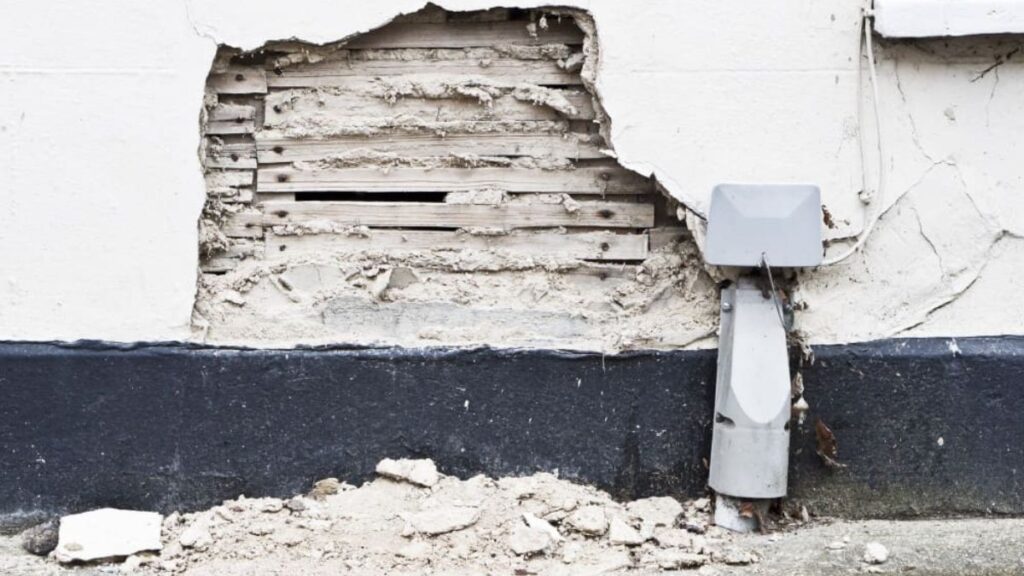
Knowing whether products contain asbestos is a health and safety essential. Asbestos exposure is strongly associated with serious illnesses, including mesothelioma, lung cancer, and asbestosis. While regulations have reduced its use in many regions, asbestos still exists in older buildings, legacy materials, and some imported items. Understanding where asbestos may be found, why it is dangerous, and how to identify risks empowers you to protect yourself, your family, and your community.
What Asbestos Is And Why It Was Used So Widely
Asbestos is a group of naturally occurring minerals that form strong, heat-resistant fibers. For decades it was prized for insulation, fireproofing, and durability in construction and industrial applications. The same properties that made asbestos attractive for manufacturing make it hazardous to health when fibers become airborne and are inhaled. These microscopic fibers can lodge in the lungs and the linings of internal organs, triggering inflammation and cellular damage that may take decades to manifest as disease.
Health Risks That Make Awareness Essential
There is no known safe level of asbestos exposure. Even brief or low-level exposures can contribute to cumulative risk over time. Mesothelioma, a rare and aggressive cancer of the mesothelium, is most often linked to asbestos. Asbestosis involves scarring of lung tissue that causes breathlessness and reduced lung capacity. Asbestos exposure also increases the risk of lung cancer. Because symptoms often develop slowly and resemble other conditions, early identification of possible exposure sources is critical for timely medical evaluation.
Where Asbestos May Be Hiding In Everyday Environments
Older homes and buildings are common places to find asbestos-containing materials. Insulation around pipes and boilers, acoustic ceiling tiles, textured ceiling coatings, vinyl floor tiles and adhesives, roofing shingles, siding, and cement boards are typical examples. In commercial and industrial spaces, asbestos may be present in fireproofing sprays, gaskets, HVAC systems, and older machinery components. Some imported products may still contain asbestos, including certain automotive parts and building materials. During renovation, demolition, or even routine maintenance, disturbing these materials can release fibers.
Why You Need A Plan Before Renovating Or Repairing
If you plan to drill, sand, cut, or remove old building materials, consider asbestos risk before you start. Visual inspection alone cannot confirm the presence of asbestos. Only laboratory testing of samples collected by trained professionals can provide certainty. If asbestos is identified, certified abatement contractors should perform removal or encapsulation using containment protocols, wet methods, and HEPA filtration. Post-abatement air testing confirms that the area is safe for reoccupancy. Building asbestos considerations into your project scope, budget, and schedule prevents costly delays and protects health.
Workplace And Community Considerations
Workers in construction, maintenance, demolition, and auto repair may face elevated risk. Employers are responsible for hazard communication, training, exposure monitoring, and appropriate protective equipment. In your community, pay attention to notifications about demolition or large renovations in older structures. Proper containment helps safeguard nearby residents. If you see dust escaping a construction site involving older materials, report it to local officials to ensure compliance with safety regulations.
Practical Steps To Reduce Personal Risk
At home, avoid disturbing suspect materials. Do not sand textured ceilings or remove old floor tiles without professional guidance. Use damp cleaning methods and HEPA vacuums to reduce dust. Place doormats at entryways and launder work clothes separately if there is a chance they carry dust from high-risk environments. Keep documentation of inspections and any abatement work. If you rent, request information on past inspections and the property’s asbestos management plan.
A Focus On Market Awareness
When purchasing building supplies for repairs or DIY projects, ask suppliers about testing and certification. Be cautious with low-cost imported materials that lack clear safety documentation. In secondhand markets or salvage warehouses, assume older materials could contain asbestos, especially if they are insulation, cement sheet, or vinyl tiles. The more you recognize patterns with products containing lots of asbestos, the better your decisions will be when selecting materials or planning projects.
Legal And Financial Implications Of Ignorance
Unwittingly disturbing asbestos can lead to health consequences and financial liabilities. Homeowners and contractors can face fines for improper removal and disposal. In property transactions, undisclosed asbestos problems can complicate sales and lead to legal disputes. Knowing where asbestos may be and documenting due diligence creates a safer environment and protects your interests.
Conclusion
Understanding whether products contain asbestos is about proactive safety and informed decision-making. By learning where asbestos may be present, relying on professional testing and abatement when necessary, and adopting protective habits at home and work, you can minimize risk. Knowledge, planning, and vigilance help safeguard your long-term health and the well-being of those around you.