
Smart fitness technology is rapidly transforming the experience of gym-goers worldwide. As digital innovation continues to evolve, modern gyms are embracing smart equipment, wearables, data-driven platforms, and immersive environments. These changes not only enhance workout satisfaction but also cater to a wider range of needs and fitness goals. For gym owners and facility managers, investing in quality gymnasium flooring installation becomes just as important as adopting advanced technology, ensuring that both the infrastructure and equipment create an optimal workout setting.
From AI-powered coaching to virtual training, high-tech tools are making exercise more interactive and customized. This digital revolution goes beyond flashy devices. It helps users achieve better results, improves safety and accountability, and brings new levels of engagement to both group workouts and solo sessions. As a result, the gym becomes a dynamic environment where personalized experiences and seamless technology integration redefine what it means to work out in the 21st century.
Smart Gym Equipment and Wearables
The modern gym is a hub of smart technology. Equipment now commonly incorporates internal sensors and Internet of Things (IoT) features, transforming every treadmill, stationary bike, and strength trainer into a source of real-time feedback and personalized guidance. For example, connected machines automatically log repetitions, track resistance settings, and provide tailored training programs based on your history and goals. Maintenance is improved as well. These systems alert staff when routine service or repairs are needed, minimizing downtime and ensuring user safety.
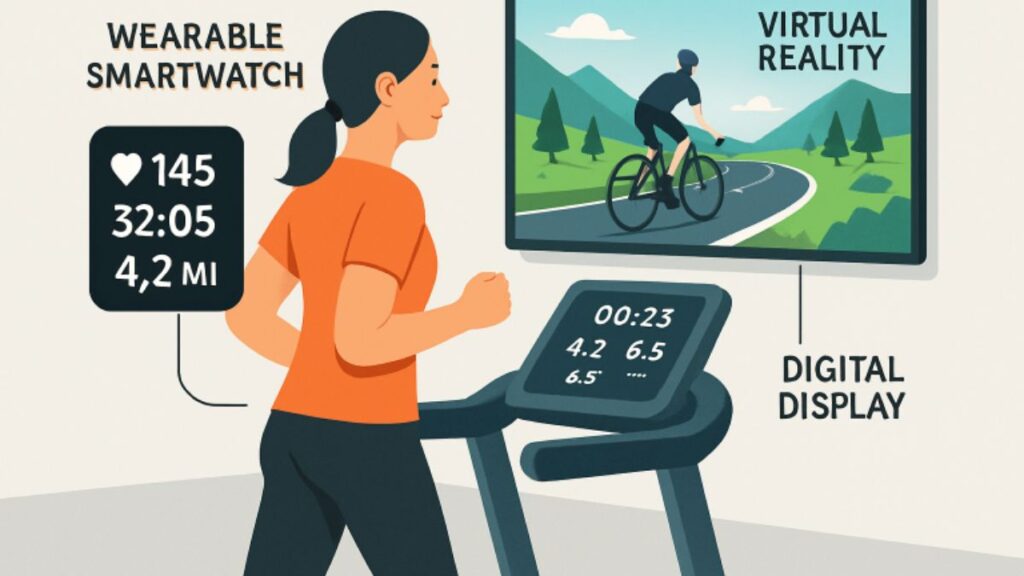
Wearable devices such as smartwatches and fitness trackers sync with gym machines, providing detailed statistics on heart rate, calories burned, movement, and even workout form. The synergy between wearables and gym equipment helps users set more informed goals and allows trainers to make evidence-based recommendations. IoT-powered fitness products are on a path to becoming the industry standard due to their substantial benefits for both users and facility operators.
Virtual and Augmented Reality in Fitness
Virtual Reality (VR) and Augmented Reality (AR) are changing the face of gym workouts. VR immerses participants in computer-generated environments that motivate and entertain through interactive challenges. You can ride a bike across digital landscapes, box against virtual opponents, or join global fitness classes from your local gym. This level of immersion makes exercising feel more like play than work, helping people stay committed long-term.
Augmented reality brings additional layers of information to real-world workouts. Through wearable glasses or smartphone apps, users receive live feedback on their form, suggested corrections, and performance tips as digital overlays on their actual movements. This can be especially helpful for weightlifting, yoga, and functional training, providing visual cues that make training safer and more efficient. For those interested in the science behind these immersive technologies, a recent study outlines how VR and AR are increasing motivation and improving performance outcomes for gym members of all levels.
AI-Driven Personalized Training
Artificial Intelligence takes personalization to the next level in fitness. Powered by sophisticated algorithms, AI-driven platforms analyze user data, track improvements, and adjust programming automatically to fit progress and preferences. Some advanced equipment can detect signs of muscle fatigue or compensatory movements and automatically vary intensity, ensuring both safety and effectiveness.
Besides workout design, AI is starting to play a role as an on-demand personal trainer. Voice-guided feedback and automated corrections support users during exercise, helping prevent injuries and boost confidence. This kind of continuous, intelligent coaching is changing the traditional role of fitness professionals, who now can use AI-generated insights to deliver even more individualized support for their clients.
Connected Fitness Ecosystems
The smart gym extends beyond its physical walls through connected fitness ecosystems. Wearables, smart equipment, and mobile fitness apps now sync training records in real time, no matter where the workout takes place. Gym members can start a session at home, continue it in the gym, and track progress seamlessly across platforms. This interoperability enhances continuity and accountability, making it easier to stick to routines and measure lifelong progress.
The connected ecosystem also opens up new social and motivational features. Workout records and leaderboards foster a sense of community, even among members who may never meet in person, and allow trainers to offer targeted feedback remotely. With this level of accessibility, staying active becomes more convenient and flexible than ever before.
Data Analytics and Performance Tracking
Data analytics provide the backbone to smarter training regimens. Gyms and fitness facilities use analytics platforms to monitor intensity, duration, recovery, and areas where users tend to plateau. These metrics empower both clients and trainers to pinpoint exactly where improvements can be made, and to optimize programs for better results. Performance tracking systems have also been shown to improve motivation by allowing members to visualize their progress and set attainable goals, as reported in The New York Times.
A growing trend in analytics is the integration of historical data with predictive modeling. This not only supports immediate fitness decisions but also anticipates future needs, allowing users to prevent injury, identify optimal training periods, and stay committed to their long-term goals.
The Future of Smart Fitness Technology
The future of smart fitness technology is both exciting and personalized. We can expect to see even deeper integration of AI with fitness wearables, wearable sensors that monitor everything from hydration to muscle strain, and gyms that offer near-total personalization from entry to exit. Innovations like AI-enhanced sportswear will eventually monitor form and deliver live adjustments, bringing expert-level feedback within reach for everyone.
As these advancements continue, the gym will transform into a truly adaptive environment, shaped by the user’s goals, physical needs, and personal preferences. Technology will make fitness more attainable, sustainable, and enjoyable for people of all backgrounds and abilities. Gym operators and members alike stand to benefit from this new era where data, personalization, and dynamic environments come together to promote lifelong health and wellness.