
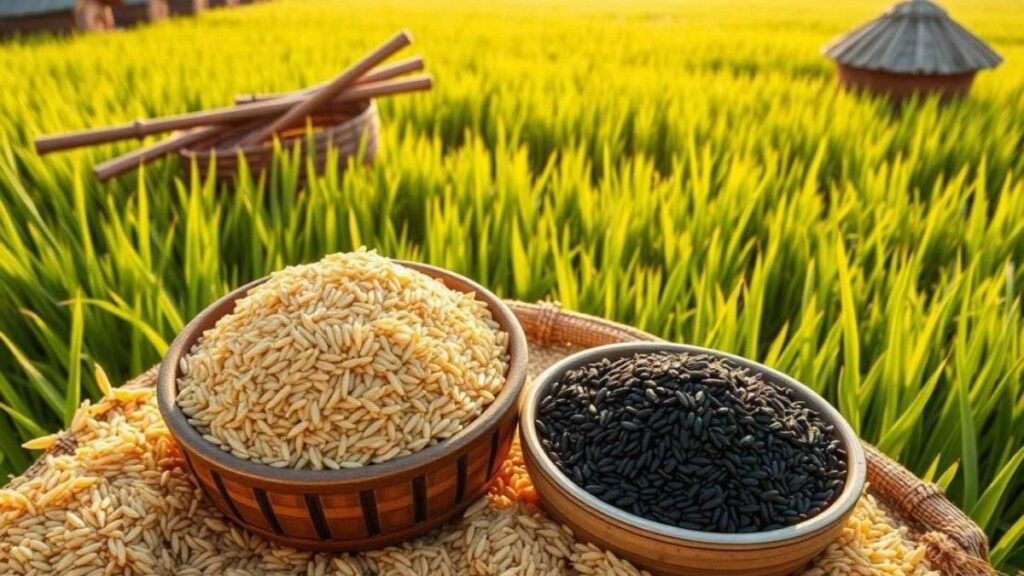
Introduction to Kala Namak Rice
If you’re looking to elevate your culinary game, kala namak rice might just be the secret ingredient you’ve been missing. This unique variety of rice is not only a feast for the eyes but also tantalizes the taste buds with its distinct flavor profile. Originating from the rich soils of South Asia, kala namak rice carries centuries of history and tradition in every grain. Whether you’re a health enthusiast or an adventurous home cook, this ancient staple offers something special that sets it apart from regular rice. Let’s dive into what makes kala namak rice so extraordinary and why it deserves a spot on your plate.
Origin and History of Kala Namak Rice
Kala Namak rice, also known as black salt rice, has deep roots in South Asian culinary traditions. It is primarily cultivated in the Himalayan regions of India and Nepal. The unique flavor profile comes from the mineral-rich soil where it thrives.
Historically, this rice variety was prized not just for its taste but also for its health benefits. Ancient texts refer to its medicinal properties, linking it to digestive health and detoxification.
Farmers have cherished kala namak rice for generations. Its cultivation requires traditional methods that respect natural ecosystems. This practice ensures a sustainable approach while preserving cultural heritage.
As globalization spreads awareness of diverse ingredients, kala namak rice is gaining popularity beyond borders. Chefs around the world are beginning to recognize its exceptional qualities and versatility in various dishes.
Nutritional Benefits of Kala Namak Rice
Kala Namak rice is more than just a unique variety; it boasts impressive nutritional benefits.
Rich in essential minerals, this rice contains high levels of iron and magnesium. These nutrients contribute to better blood circulation and muscle function. They’re vital for overall health.
This special rice also has lower glycemic index values compared to regular varieties. This means it can be an excellent choice for those managing their blood sugar levels. It releases energy slowly, keeping you full longer.
Additionally, kala namak rice is gluten-free, making it suitable for those with gluten sensitivities or celiac disease.
It’s also packed with antioxidants that help combat oxidative stress in the body. Including it in your diet could support immune function as well.
With its unique flavor profile paired with these health benefits, kala namak rice offers both culinary delight and nutrition on your plate.
How Does It Compare to Regular Rice?
Kala Namak rice stands apart from regular rice not just in flavor but also in texture. Its unique taste profile comes from the mineral-rich volcanic salt used during its processing, which imparts a subtle umami character.
In terms of nutritional content, kala namak rice is often richer in minerals and antioxidants compared to plain white or brown varieties. This adds an extra layer of health benefits that can enhance your diet.
When it comes to cooking, kala namak rice requires different timing and water ratios than standard rice. The grains tend to be firmer and more aromatic when cooked properly.
Additionally, while regular rice is a staple around the world, kala namak has roots deeply embedded in South Asian cuisine. This makes it a fascinating alternative for those looking to explore new culinary horizons without straying too far from familiar comforts.
Cooking with Kala Namak Rice
Cooking with kala namak rice opens up a world of flavor and creativity in the kitchen. This unique variety has an intriguing, slightly sulfurous aroma that can elevate your dishes.
You can use it in many ways. It works beautifully as a base for stir-fries or curries, adding extra depth to your meals. The nutty taste pairs well with vegetables and proteins alike.
For those experimenting with vegan cuisine, it’s a fantastic option to mimic egg-like flavors. Just add some kala namak rice to chickpea scrambles or tofu dishes for that special twist.
Don’t forget about pilafs! Toss in some spices like cumin and coriander along with sautéed onions for an aromatic side dish that will impress guests.
Each cooking method reveals something new about this remarkable grain, making every meal a delightful adventure. Enjoy discovering its versatility in your culinary creations!
Where to Find and Buy Kala Namak Rice
Finding kala namak rice has become easier as its popularity grows. You can start your search at local Indian or Asian grocery stores, which often carry a variety of specialty grains.
Online shopping is another great option. Websites like Amazon and specialty food retailers offer an extensive selection of kala namak rice brands. This allows you to compare prices and read reviews before making a purchase.
Farmers’ markets sometimes feature vendors who specialize in organic products, including unique rices like kala namak. It’s worth visiting these markets for fresh options.
If you’re keen on supporting small businesses, look for local health food stores that focus on natural ingredients. They may stock this distinctive rice alongside other whole grains.
Don’t overlook ethnic restaurants; they might be willing to share their suppliers or even sell you some directly if you ask nicely!
Conclusion: Is Kala Namak Rice Worth Trying?
Kala Namak rice offers a unique culinary experience that sets it apart from regular rice. Its distinct flavor and intriguing aroma can elevate any dish, making meals not just nourishing but also enjoyable. The nutritional benefits add to its appeal, providing essential nutrients while being gluten-free.
Trying kala namak rice could introduce you to new textures and flavors in your cooking repertoire. Incorporating this special rice into your diet might inspire creativity as you discover how well it pairs with various cuisines.
If you’re looking for something different or aiming to enhance the health profile of your meals, kala namak rice is definitely worth considering. Whether you’re a food enthusiast or someone simply seeking healthier options, this ancient grain has much to offer on both taste and nutrition fronts.