
Everyday aches and pains can disrupt your quality of life, affect your mood and energy, and limit your ability to participate in activities you enjoy. While medications are a common way to manage pain, many people are looking for drug-free methods that support both their short-term comfort and long-term health. Natural strategies focus on improving overall well-being, leading to lasting relief and better health outcomes. For individuals seeking additional vascular health support, Midwest Vascular offers specialized care to help you maintain optimal circulation and manage chronic discomfort.
Combining these non-pharmaceutical techniques with professional guidance can provide a comprehensive approach to pain management that fits seamlessly into your daily life. Below you’ll find evidence-backed recommendations suitable for many people seeking to reduce reliance on pain medications while improving function and vitality.
Engage in Gentle Physical Activity
Maintaining an active lifestyle may be one of the most important steps in managing recurring pain. Gentle, low-impact exercises such as walking, swimming, cycling, or stretching keep your joints flexible and strengthen the muscles that support them. Incorporating regular movement not only reduces stiffness but also promotes the release of endorphins, the body’s natural painkillers. To target pain relief, physical therapists can design custom exercise regimens that are safe and effective for your specific condition. According to experts at the Mayo Clinic, regular exercise is central to chronic pain management for people with arthritis or back problems, as it helps prevent further deconditioning and supports better posture and balance.
Practice Mind-Body Techniques
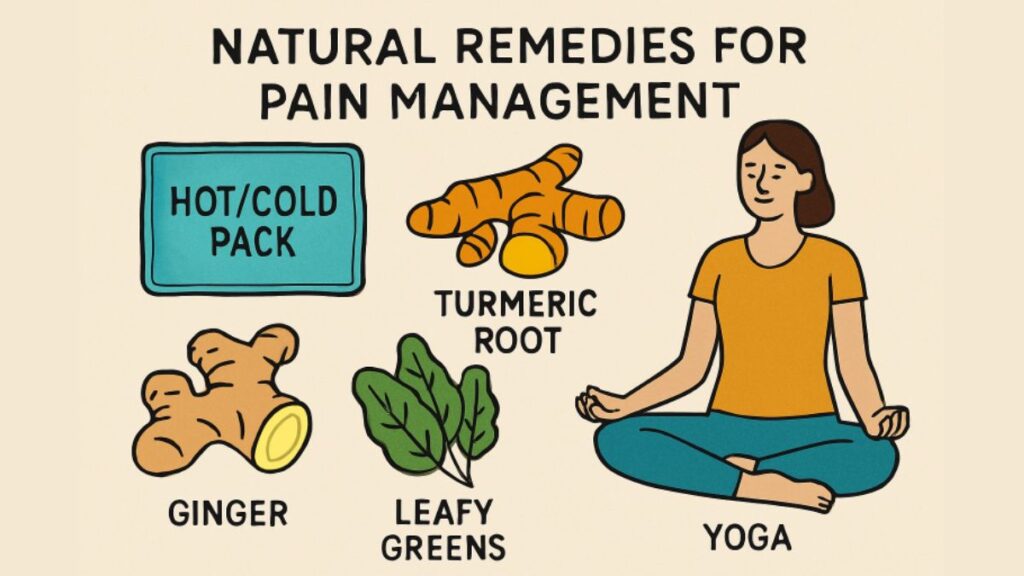
Stress and pain are closely linked. Mind-body techniques help disrupt the cycle of tension and discomfort by promoting relaxation and self-awareness. Methods such as meditation, yoga, tai chi, and guided deep breathing exercises can decrease muscle tension and reduce the psychological impacts of pain, including anxiety and irritability. Even just 10 minutes a day can result in noticeable improvements in well-being. The American Psychological Association recognizes the benefits of mindfulness and yoga for stress reduction, noting that these practices have shown promise in decreasing both inflammation and pain perception.
Prioritize Quality Sleep
Poor sleep often intensifies pain, forming a vicious cycle in which discomfort interferes with rest, and a lack of sleep makes pain feel worse. Good sleep hygiene is crucial for breaking this cycle. Try to stick to a set bedtime and wake-up schedule all week, and create an environment that supports relaxation, like using blackout curtains, keeping the bedroom cool, and avoiding electronic screens before bed. Supportive pillows and mattresses reduce stress on tender areas, further enhancing sleep quality and comfort.
- Follow a consistent nighttime routine
- Avoid caffeine and heavy meals close to bedtime
- Limit screen exposure at least an hour before sleep
- Choose a sleeping surface that relieves pressure on sore joints
Establishing these sleep habits may help lessen your perception of pain and promote overall healing. Studies from Johns Hopkins Medicine note that people with chronic pain who prioritize restorative sleep tend to report less intense pain episodes over time.
Adopt an Anti-Inflammatory Diet
What you eat can play a powerful role in reducing inflammation throughout the body, which is a key contributor to many types of pain. Focus your diet on foods rich in omega-3 fatty acids, like fatty fish, walnuts, and flaxseed. Add plenty of fruits and vegetables for antioxidants, and opt for whole grains instead of refined carbohydrates. Try to avoid processed foods and sugary snacks, as these may trigger more inflammation and worsen pain. Nutrition experts at Harvard Health point out that a Mediterranean-style diet, emphasizing fish, olive oil, nuts, and leafy greens, may help reduce pain by addressing inflammation at the source.
Utilize Heat and Cold Therapy
Thermal therapies are a cost-effective way to relieve pain at home. Applying warmth from a heating pad, a warm towel, or a hot shower helps relax tight muscles and stimulates blood flow in sore tissue. Conversely, cold packs or ice wrapped in a towel reduce swelling and numb sharp pain, especially after minor injuries or overuse. Alternating between warm and cold treatments may be especially beneficial for some people, but always protect your skin from extreme temperatures.
Explore Herbal Remedies
Nature provides a number of herbs known for their analgesic and anti-inflammatory effects. Topical capsaicin, derived from chili peppers, is often used to relieve localized nerve pain and arthritis discomfort. Turmeric and ginger, taken as supplements or brewed into tea, may further help manage persistent pain by reducing inflammation. It is important to consult a healthcare provider before starting new supplements to avoid interactions with existing medications.
Consider Mindfulness-Based Stress Reduction
Mindfulness-based stress reduction (MBSR) uses meditation and mindfulness practices to teach individuals how to observe pain sensations without becoming overwhelmed. Over time, these techniques can disrupt the cycle of pain, anxiety, and suffering, potentially lowering the brain’s sensitivity to pain signals. Research shows that regular mindfulness practice can significantly improve life quality for sufferers of chronic pain.
Seek Professional Guidance
If your pain is persistent, severe, or significantly affecting your daily life, it is important to consult a healthcare professional. They can identify the underlying causes and recommend therapies tailored to your needs, whether that involves physical therapy, nutritional counseling, or integrative approaches like acupuncture or massage. Their insight ensures that you manage discomfort safely and effectively, with expert oversight and support.
With the right combination of lifestyle changes and supportive care, it is possible to reduce everyday aches and enhance your enjoyment of daily life, all while lessening reliance on pain medications.