
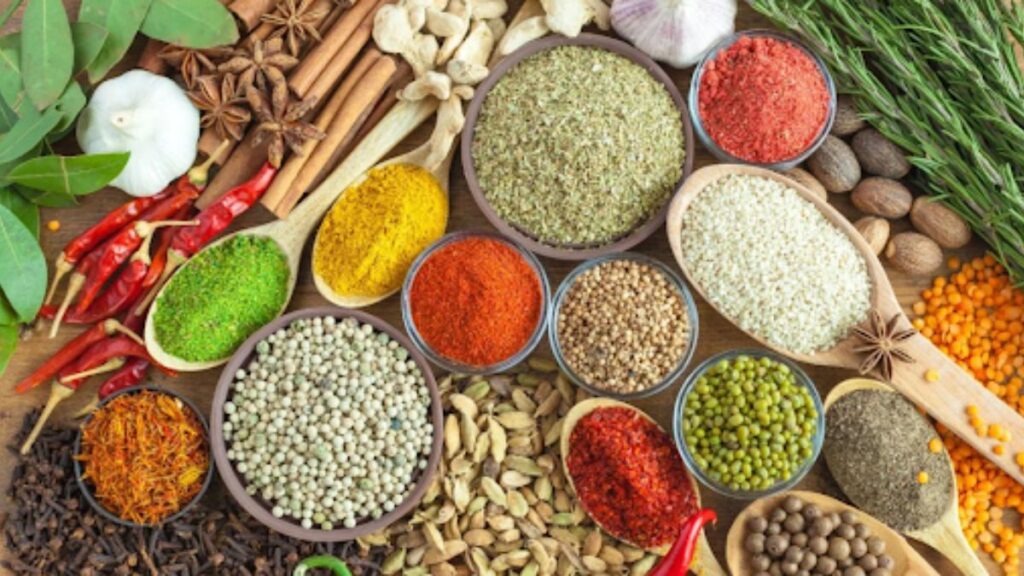
There’s a particular moment that happens in professional kitchens when someone opens a fresh container of properly sourced spices. The aroma hits differently. Fuller, more complex, almost aggressive in its intensity. That moment rarely happens with spices bought in small quantities from retail suppliers. When businesses consider their spice procurement strategy, opting for wholesale spices for sale presents an opportunity that extends far beyond simple cost considerations.
Superior Freshness and Quality
Spices start degrading the moment they’re ground. The volatile oils that give spices their character begin evaporating immediately. Retail spices might sit in warehouses for months before reaching store shelves, then sit again before purchase.
Wholesale suppliers move product quickly because their clients use volume. A restaurant burning through containers of paprika weekly means the supplier restocks constantly. That smoked paprika arriving at a café was likely processed weeks ago, not months. The cumin still has bite. The coriander still smells green and citrusy rather than dusty and flat.
Consistency Across Batches
A head chef once described the horror of perfecting a curry blend over several months, only to have it taste completely different when reordering the same spices. The turmeric had changed. Same brand, different harvest, different supplier relationship.
Wholesale distributors typically work directly with processors or importers who handle single-origin batches. They’re not mixing products from various sources to fill orders. When a supplier establishes a relationship with a particular farm in Kerala or a processor in Turkey, that relationship continues. The wholesale spices for sale through these channels come from traceable sources. Tuesday’s cardamom tastes like last month’s cardamom.
Expanded Variety and Selection
Retail stores stock what sells to home cooks making spaghetti bolognese and Sunday roasts. They’re not stocking different grades of black pepper or distinguishing between Ceylon and Cassia cinnamon.
Wholesale suppliers deal with chefs who know the difference and care about it. Need Aleppo pepper instead of generic chilli flakes? Wholesale handles that. Want actual saffron threads from a verified source rather than suspicious powder? Same story. Looking for black lime, sumac, or fenugreek leaves? These aren’t showing up at the local supermarket.
Streamlined Supply Chain
Running between multiple shops collecting ingredients wastes hours that could be spent actually cooking. Wholesale ordering consolidates everything into a single delivery.
There’s another advantage people overlook. Wholesale suppliers understand commercial kitchens operate on tight schedules. They deliver during business hours, often to back entrances. They invoice properly for accounting purposes. They don’t run out of stock on Friday afternoons when a function needs seasoning for large batches. The administrative simplicity alone saves enough time to justify the relationship.
Sustainable Packaging Options
Multiple plastic bottles of oregano create significantly more waste than bulk bags. But it goes deeper than basic maths. Many wholesale suppliers now source from farms implementing sustainable practices. Not because it’s trendy, but because serious spice operations recognise soil depletion and water usage impact long-term supply.
Some offer direct trade arrangements where farms receive fair compensation. Purchasing wholesale spices for sale from suppliers who prioritise these relationships means supporting agricultural practices that ensure spices remain available and affordable for decades to come.
Enhanced Storage Flexibility
Proper storage changes everything. Commercial kitchens with adequate dry storage and proper containers can buy larger quantities without quality loss. Cumin seeds stored correctly in an airtight container away from light and heat will outlast several small bottles going in and out of cupboards.
The catch is doing it properly. Understanding which spices last longer whole versus ground matters. Knowing when to refrigerate makes a difference. Recognising when something’s past its prime is crucial. Wholesale suppliers often provide this guidance because they’re invested in clients achieving good results.
Professional Support and Expertise
Retail staff might know where items are located. Wholesale suppliers know why Sarawak pepper costs more than Malabar. How to substitute Persian limes when Mexican limes aren’t available. Which grade of vanilla suits ice cream versus baking.
They’ve often visited origin countries. They understand processing methods. They can explain why particular harvests taste different. This knowledge becomes accessible to buyers, turning ingredient sourcing into genuine culinary education.
Conclusion
Choosing wholesale spices for sale fundamentally changes how food businesses operate. The difference shows up in dishes that taste more vibrant. Kitchens run more efficiently. Customers return because something just tastes right. It’s not revolutionary. It’s simply how serious food operations have always worked. The businesses thriving in competitive markets aren’t necessarily doing anything exotic. They’re just doing the basics properly, starting with sourcing ingredients that actually perform.