
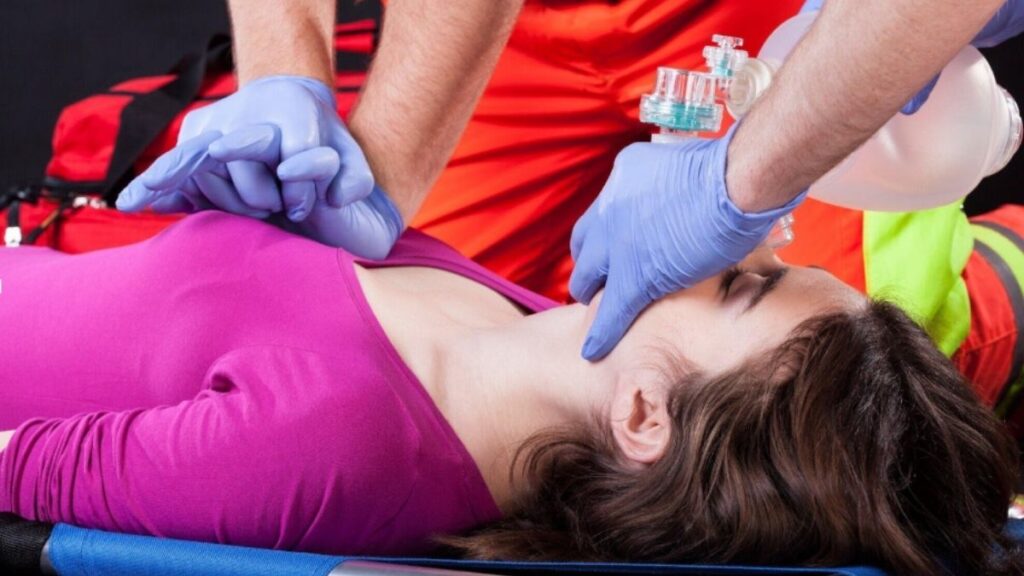
What would you do if an emergency happened right now? Accidents and sudden illnesses can happen anywhere, at any time. The first few minutes are often the most important for saving a life.
Many people assume professionals will arrive in time, but help often comes from those nearby.You need to know what to do.
Learning lifesaving skills helps people act calmly and confidently. Keep reading to learn essential skills that could save lives.
Recognizing Emergencies Early
It’s not always easy to see in an emergency. As always, you should take seriously someone who is having trouble breathing, heavy bleeding, sudden confusion, or giving up.
To stop small problems from turning into deadly ones, people must act faster when they know the early warning signs. It’s also easier to deal with stress and make a plan when you stay aware.
Calling for Help the Right Way
The prompt calling of emergency services is of utmost importance. When you provide your precise location and answers, it makes it easier for the responders to arrive quickly.
Staying on the line allows dispatchers to walk you through each step of the process. It is possible to save lives by following instructions. Acquiring this ability is a straightforward yet effective way to be of assistance.
Performing CPR with Confidence
When the heart stops beating, cardiopulmonary resuscitation (CPR) helps keep the blood moving. It is possible to sustain life until professionals arrive if one is aware of the appropriate rhythm and depth.
Getting CPR and first aid certification builds confidence and muscle memory. Practicing regularly reduces hesitation in real emergencies. One of the most important things you can learn is CPR.
Stopping Bleeding and Treating Wounds
In a short amount of time, severe bleeding can become life-threatening. It is possible to save lives by applying consistent pressure and by using clean coverings.
Even the most fundamental wound care can prevent infection and additional damage. Recovery is aided by maintaining the injured person’s stillness and composure. In first aid, these are tried and true steps that have been taught for decades.
Helping During Choking Emergencies
It is possible to choke at any time, but it is most likely to occur during meals or gatherings. It is essential to be able to recognize when someone is unable to breathe.
Using abdominal thrusts in the correct manner can help remove the obstruction. Your training enables you to behave with self-assurance and caution. For many generations, this information has prevented the loss of countless lives within families.
Staying Calm and Leading Others
Keeping your cool will help you avoid making a lot of mistakes. People can focus and get things done better when others are calm.
One great example is to keep your voice steady and breathe slowly. Having clear thinking and calm leadership can help things go better in fires, accidents, storms, and medical emergencies. One skill that anyone can work on is the ability to keep their cool.
Learning Essential Lifesaving Skills That Prepare You To Act Fast
It’s not fear that makes you ready; it’s responsibility. Learning lifesaving skills that can save lives keeps families, communities, and workplaces safe. It can really help to act quickly before the professionals show up.
Practicing skills regularly makes them ready for when things go wrong. Sharing what you know makes future generations stronger and safer.
Following these tried-and-true steps respects the customs that have kept people alive for many years. What you learn today could help keep someone safe tomorrow.
Did you like this guide? Great! Please browse our website for more!