
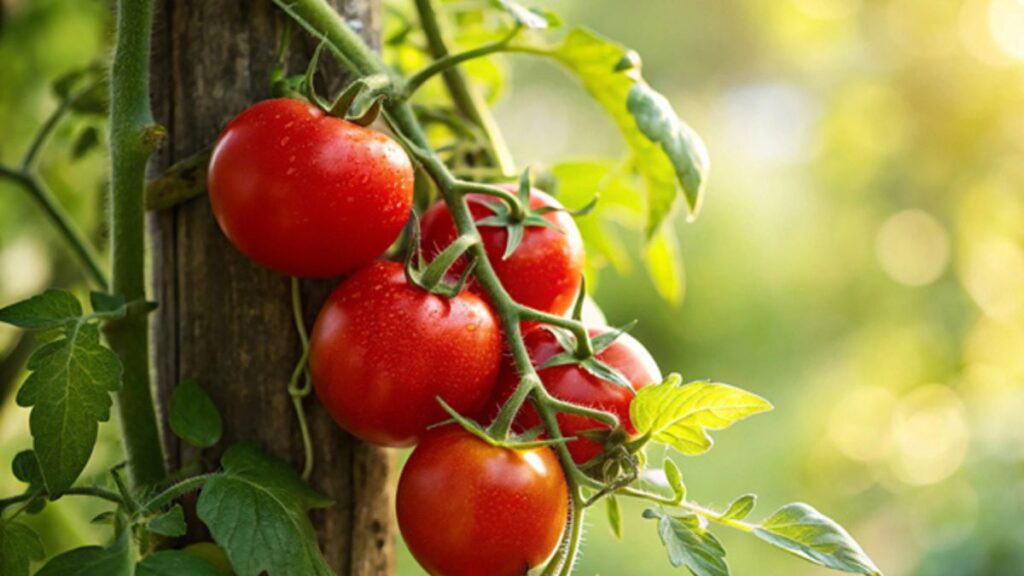
Introduction to Plum Tomatoes
Plum tomatoes are a gardener’s delight, known for their rich flavor and versatile culinary uses. Whether you’re an experienced green thumb or just dipping your toes into gardening, growing these juicy gems can be incredibly rewarding. With their firm texture and sweet taste, plum tomatoes elevate everything from sauces to salads.
Imagine stepping out into your garden, plucking sun-ripened fruit right off the vine. The satisfaction of cultivating your own fresh produce is unmatched. Plus, with a little know-how and care, you can achieve a bountiful harvest that will leave you with plenty of delicious recipes to try.
Let’s explore the journey of growing plum tomatoes together—from selecting the perfect variety to enjoying them in mouthwatering dishes!
Choosing the Right Variety for Your Garden
Choosing the right variety of plum tomatoes can make a significant difference in your garden. There are several types to consider, each offering unique flavors and textures.
Look for determinate varieties if you prefer compact plants that produce fruit all at once. These are great for smaller spaces or container gardening. Indeterminate types, on the other hand, grow taller and keep producing throughout the season, providing a steady harvest.
Taste is another factor to think about. Some varieties are sweeter, while others have a more robust flavor profile ideal for sauces or cooking.
Consider your climate too; certain strains thrive in warmer regions while others tolerate cooler temperatures better. Researching local growing conditions will help ensure success with your chosen variety.
Selecting the perfect plum tomato involves balancing personal preference with practical considerations like space and climate adaptability.
Preparing the Soil for Planting
Preparing the soil for plum tomatoes is a crucial step that sets the foundation for a fruitful harvest. Start by selecting a sunny spot in your garden, as these plants thrive in warmth and light.
Next, clear the area of weeds, rocks, and debris. This will provide an optimal environment for growth.
Loosen the soil to at least 12 inches deep using a shovel or garden fork. This aeration helps roots expand easily while improving drainage.
Incorporate organic matter like compost or well-rotted manure into the soil. These additions enrich nutrients and enhance moisture retention.
Test your soil’s pH; plum tomatoes prefer slightly acidic conditions between 6.0 and 6.8. Adjusting with lime or sulfur can help achieve this balance if necessary.
With prepared soil rich in nutrients, you’re ready to plant those vibrant plum tomato seedlings!
Planting and Caring for Plum Tomatoes
When it comes to planting plum tomatoes, timing is crucial. After the last frost, choose a sunny spot in your garden with well-drained soil. Dig holes about 18 inches apart and ensure the depth accommodates the seedlings’ root systems.
Water the plants thoroughly after transplanting but avoid over-saturation. Consistent moisture is key during their growth phase. Mulching around the base helps retain soil moisture and suppress weeds.
Support your plants as they grow by using stakes or cages. This prevents sprawling and promotes better air circulation, reducing disease risk.
Fertilize every few weeks with a balanced fertilizer that encourages fruit development. Keep an eye on leaf color; dark green indicates healthy growth, while yellow may suggest nutrient deficiencies.
Regularly inspect for pests like aphids or spider mites and manage them promptly to protect your crop’s health. Your care can lead to a fruitful harvest of delicious plum tomatoes!
Common Pests and Diseases to Watch Out For
Growing plum tomatoes can be incredibly rewarding, but it’s essential to stay vigilant against pests and diseases. Aphids are small but mighty foes; they suck the sap from your plants, stunting their growth. Keep an eye out for these tiny insects on the undersides of leaves.
Another common pest is the tomato hornworm. These large green caterpillars can strip a plant bare in no time. Hand-picking them off your plants is often the most effective solution.
Fungal infections like blight can also pose a threat, especially in humid conditions. Look for dark spots on leaves or stems as indicators of this disease.
To protect your crop, practice good garden hygiene by rotating your planting areas yearly and ensuring proper spacing between plants for air circulation. Frequent inspection helps catch any issues before they escalate into bigger problems!
Harvesting and Storing Your Plum Tomatoes
Harvesting plum tomatoes is an exciting time. Look for fruits that are deep red and firm to the touch. This color indicates ripeness, ensuring you get the best flavor.
Use garden shears or scissors to carefully cut the stem, avoiding damage to the fruit or plant. Handle them gently; bruises can ruin their quality.
Once harvested, store your plum tomatoes at room temperature if you’re consuming them soon. If you want to keep them longer, place them in a cool spot out of direct sunlight.
For extended storage, consider freezing or canning your plum tomatoes. Just wash and chop them before placing in airtight containers for freezing, or follow proper canning techniques for preservation.
Remember not to refrigerate fresh tomatoes as it alters their texture and taste. Enjoy your bountiful harvest in different meals throughout the year!
Delicious Recipes using Plum Tomatoes
Plum tomatoes are a kitchen superstar, perfect for creating vibrant dishes. Their meaty texture and rich flavor make them ideal for sauces.
Start with a classic marinara. Sauté garlic and onions in olive oil, add chopped plum tomatoes, herbs like basil and oregano, then simmer until thickened. Toss it over pasta or use it as a pizza base.
For something refreshing, create a chunky salsa. Dice plum tomatoes with red onion, jalapeño, cilantro, and lime juice. Serve this zesty mix with tortilla chips or atop grilled chicken.
You can also roast plum tomatoes to intensify their sweetness. Drizzle them with balsamic vinegar and olive oil before roasting until caramelized. These roasted gems enhance salads or sandwiches beautifully.
Consider whipping up a tomato galette—an easy savory pie filled with fresh sliced plum tomatoes mixed with cheese and herbs wrapped in flaky pastry dough! Enjoy the burst of flavors that only fresh ingredients can provide.
Conclusion
Growing plum tomatoes can be a rewarding experience. With the right care and attention, your garden can yield an abundant harvest. These versatile fruits not only enhance your dishes but also offer numerous health benefits.
By selecting the best variety for your climate and soil condition, you set yourself up for success from the start. Preparing your soil properly ensures that your plants receive essential nutrients throughout their growing season. Remember to keep an eye out for common pests and diseases; early detection is key to maintaining healthy plants.
Once harvested, plum tomatoes are perfect for various recipes or simply enjoyed fresh off the vine. Their rich flavor adds depth to sauces, salads, and more.
With these tips in mind, you’re well on your way to cultivating a bountiful crop of juicy plum tomatoes that will delight you and those you share them with. Happy gardening!