
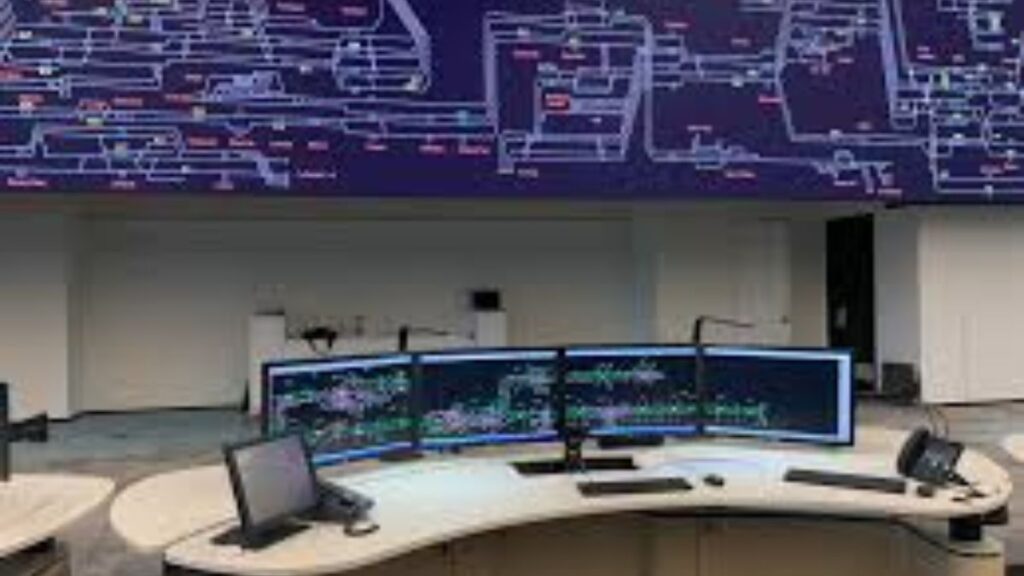
Introduction to the Rail Operating Centre (ROC)
Picture this: a bustling hub where technology meets precision, and every decision impacts thousands of travelers. Welcome to the Rail Operating Centre (ROC), the nerve center of modern railways. Here, seamless communication and intricate logistics work hand in hand to ensure that trains run on time, safely transporting passengers from one destination to another.
As we delve deeper into the heart of railway operations, you’ll discover how ROCs have evolved over time and transformed the way we think about rail travel. The magic happens behind closed doors – but today, we’re taking you inside this fascinating world where innovation drives efficiency. Buckle up as we explore what goes on at these dynamic centres and uncover their significance for our future railway systems!
Evolution of Rail Operations
Rail operations have come a long way since the first steam locomotives chugged along iron tracks in the 19th century. Initial systems relied heavily on manual signals and human dispatchers, making coordination a daunting task.
With time, technological advancements transformed this landscape. The introduction of electric trains brought faster speeds and greater efficiency. Automated signaling systems emerged, reducing reliance on staff while enhancing safety measures.
The late 20th century marked another pivotal shift with digitalization. Computer-based control centers began to replace traditional methods. Real-time data analytics now play a vital role in decision-making processes.
Modern railways leverage sophisticated software for route optimization, minimizing delays and improving overall service quality. This evolution reflects not just technological progress but also an increased commitment to passenger experience and environmental sustainability in rail transport.
What Happens at the ROC?
At the heart of a rail operating centre, real-time monitoring takes center stage. Trained staff utilize advanced technology to oversee train movements across vast networks. This ensures that services run smoothly and on time.
Communication is crucial here. Operators coordinate with drivers, station managers, and maintenance crews to tackle issues as they arise. Every second counts when it comes to passenger safety and satisfaction.
Data analysis plays a significant role too. The ROC collects information from various sources—track conditions, weather changes, and train performance metrics—all aimed at optimizing routes. Predicting potential delays becomes easier with such insights.
In addition to managing daily operations, ROCs conduct emergency response drills regularly. Preparedness is key in an industry where unexpected events can disrupt travel plans and create hazards for passengers and crew alike.
The atmosphere inside an ROC buzzes with energy; every decision made impacts thousands of lives across the railway network.
Benefits of the ROC
The Rail Operating Centre (ROC) plays a pivotal role in enhancing the efficiency of modern railway systems. One of its key benefits is improved communication. Centralized operations facilitate real-time dialogue between train operators, maintenance teams, and emergency services.
Another advantage lies in safety enhancements. The ROC’s advanced monitoring technologies can quickly identify potential hazards, ensuring timely interventions to prevent accidents. This proactive approach significantly reduces risks associated with rail travel.
Additionally, the ROC optimizes scheduling and resource allocation. By analyzing data on train movements and passenger demand, it enables more effective use of available assets. This leads to reduced delays and increased reliability for passengers.
Furthermore, the centre fosters better collaboration across various stakeholders in the rail industry. With shared information platforms, organizations can work together seamlessly towards common goals—ultimately improving service quality for everyone involved.
Challenges and Solutions for a Modernized Railway System
Modernizing railway systems comes with its own set of challenges. One significant issue is the aging infrastructure. Many tracks and stations are decades old, leading to safety concerns and service delays.
Another challenge lies in integrating new technologies. The rapid pace of innovation can be overwhelming for staff who must adapt quickly while ensuring smooth operations.
Additionally, maintaining communication between various stakeholders is critical. Disparate systems can create information silos that hinder effective decision-making.
To address these issues, investment in smart technology is essential. Implementing real-time data analytics can enhance operational efficiency and predict maintenance needs before problems arise.
Training programs focused on upskilling employees will ensure they are equipped to manage modern tools effectively. Collaborating across departments also fosters a more cohesive working environment where insights flow freely, ultimately driving improvement throughout the system.
Future of the ROC and Railways
The future of the rail operating centre (ROC) is poised for significant transformation. As technology advances, we can expect a shift towards greater automation and digitalization within these hubs.
Artificial Intelligence will play a crucial role in decision-making processes. Algorithms will analyze vast amounts of data to optimize train schedules and improve safety measures.
Moreover, real-time monitoring systems are becoming increasingly sophisticated. This means quicker responses to disruptions or emergencies, enhancing overall service reliability.
Sustainability is also at the forefront. ROCs will likely adopt greener practices, reducing their carbon footprint while supporting eco-friendly initiatives across railway networks.
Collaboration with smart city projects could further integrate rail services into urban transport solutions. The ROC may evolve beyond its current scope, acting as a pivotal point in comprehensive transportation strategies that prioritize efficiency and user experience.
Conclusion
The Rail Operating Centre (ROC) is more than just a command center; it represents the future of rail transport. With its advanced technology and real-time data management, the ROC ensures that trains run smoothly and efficiently across networks. As we move forward, embracing innovations will be crucial for overcoming current challenges in the railway system.
The evolution of rail operations has paved the way for modern solutions that address growing demands. The benefits provided by ROCs are undeniable, including improved safety, enhanced communication among operators, and better service reliability for passengers. However, as with any advancement, there are hurdles to overcome—adapting to new technologies and integrating them seamlessly into existing frameworks require strategic planning and investment.
Looking ahead, the potential for ROCs in shaping our transportation landscape is vast. Continuous improvement in infrastructure combined with innovative thinking can lead to an even more connected society where travel becomes effortless. The ongoing commitment from stakeholders will be essential in realizing this vision.
As we delve deeper into modernization efforts within railways worldwide, it’s clear that Rail Operating Centres will play a pivotal role in driving efficiency and innovation long into the future.