
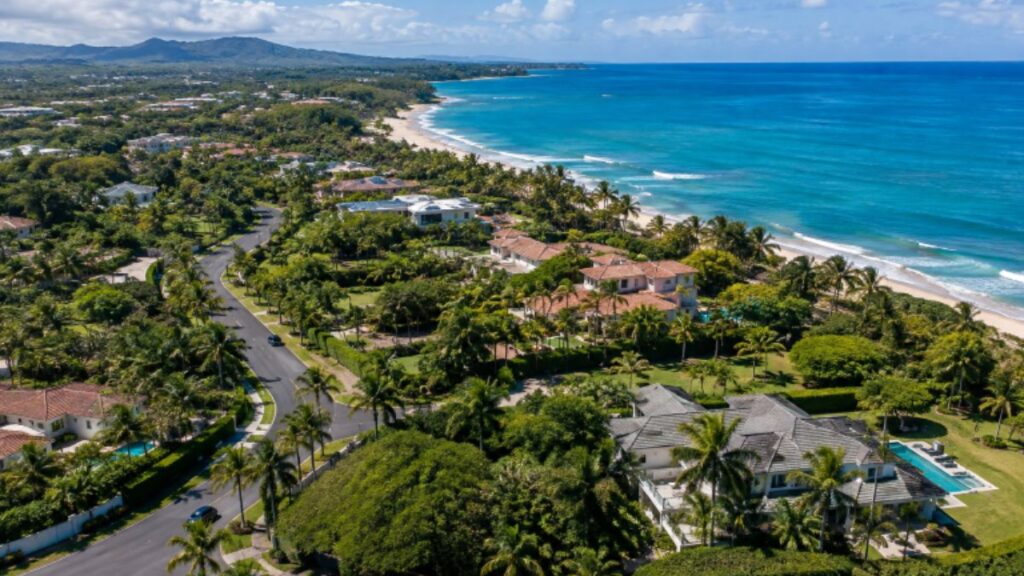
Dorado Beach, Puerto Rico, attracts second-home buyers seeking a northern coast setting with beach access, resort amenities, privacy, and convenient connections to the greater San Juan area. It can be a compelling place to spend part of the year, host family, or establish a future retirement base, but the best purchase is one that works in everyday life as well as on a sunny weekend.
Buyers researching Dorado beach PR homes for sale can use Island & Key as a local Dorado real estate resource for exploring luxury residences, condominiums, villas, oceanfront homes, and resort-oriented properties in and around Dorado Beach. With a Dorado office and a search experience centered on the area’s distinct communities, Island & Key gives buyers a useful starting point for comparing property types, settings, and available homes before narrowing their search.
Why Dorado Beach Appeals to Second-Home Buyers
Dorado Beach offers a distinctive version of coastal living. Buyers may prioritize landscaped surroundings, golf, beach time, dining, outdoor recreation, and the ability to leave a home secured while they travel. The area includes a mix of residences, from larger single-family homes to villas and condominiums, so maintenance expectations can vary considerably from one property to another.
Tourism activity can support interest in Puerto Rico real estate, but it should not be mistaken for a guarantee of resale value or rental performance. Recent Puerto Rico lodging research reported that rental supply continued to grow, a reminder that demand and competition can rise simultaneously. A buyer should evaluate the individual home, community rules, operating costs, and intended ownership horizon.
Define the Property’s Purpose
Before touring homes, decide what the property needs to accomplish. A family retreat, seasonal residence, future full-time home, and income-producing rental all call for different priorities. A buyer who visits only a few weeks each year may value a low-maintenance condominium and professional management. A buyer planning longer stays may place more weight on storage, kitchen layout, guest bedrooms, medical access, and daily convenience.
Questions To Answer First
- How many weeks or months will the home be occupied each year?
- Will relatives or friends use the property when you are away?
- Do you need a lock-and-leave residence or a larger home with outdoor space?
- Could this become a primary residence later?
- Will you pay cash, finance the purchase, or combine both approaches?
- Is rental use essential to the financial plan, or simply optional?
Create a one-page brief listing nonnegotiable features, preferred features, target annual costs, and deal-breakers. This simple exercise makes it easier to evaluate homes consistently rather than relying solely on views or finishes.
Compare Lifestyle, Access, and Property Types
In Dorado Beach, location is about more than the distance to the water. Compare a specific residence by its access to services, privacy, walkability, community character, and maintenance demands. Spend time in the area at different times of day if possible, especially if you expect frequent guests or plan to work remotely.
How Common Property Settings Can Differ
- Resort residences: Often appeal to buyers seeking amenities, managed grounds, and a more turnkey ownership experience. Review membership expectations, association rules, and recurring fees.
- Single-family homes: Can provide more space, privacy, and outdoor flexibility, while also creating greater responsibility for landscaping, pools, roofs, and exterior systems.
- Condominiums and villas: May reduce certain exterior maintenance obligations, but buyers should closely review association financials, reserves, assessments, and rental policies.
- Nearby non-resort neighborhoods: May offer a different balance of local daily life, lot size, privacy, and price, depending on the property and location.
Calculate the Full Cost of Ownership
A realistic budget goes beyond the offer price and closing costs. Second homes may sit vacant for extended periods, yet utilities, security, maintenance, and association obligations continue. Request insurance estimates early, particularly for properties near the coast, because coverage terms and deductibles can significantly affect the true annual cost.
Include These Costs in Your Planning
- Property taxes, insurance, and any applicable association fees
- Internet, electricity, water, security, and backup-power maintenance
- Cleaning, landscaping, pool care, pest control, and routine repairs
- Furniture replacement, appliance repairs, and hurricane preparedness supplies
- Property management during vacant periods
- A reserve fund for unexpected repairs or special assessments
Build three versions of the budget: a normal year, a rental year, and a major-repair year. The major-repair version is especially important for a coastal home, where deferred maintenance can become expensive.
Review Coastal Risks and Resilience
Beach proximity brings real maintenance considerations. Salt air, humidity, wind-driven rain, flooding, and drainage performance can affect materials and systems over time. Before making an offer, review the roof, windows, doors, exterior finishes, air-conditioning equipment, drainage, and backup-power arrangements with qualified professionals.
Buyers should also check the applicable flood map for the parcel and discuss the findings with an insurance professional. Ask whether the property has experienced storm damage, whether repairs were permitted and documented, and what the association’s emergency procedures cover. A lower-priced home needing a roof, generator, drainage work, and exterior restoration may ultimately cost more than a better-prepared property with a higher initial price.
Decide Whether Rentals Fit Your Plan
Rental income should be treated as a possibility, not a promise. Short-term rental performance can change with seasonality, competition, traveler preferences, management quality, and local or community restrictions. Confirm in writing whether the specific property can be rented, what minimum stays apply, and whether the association requires registration, approvals, or additional fees.
Use conservative occupancy assumptions, then subtract management, cleaning, repairs, utilities, taxes, platform fees, and periods without bookings. A home can be ideal for personal use even if it does not produce the rental return a buyer initially hoped for.
Complete Local Due Diligence
Use qualified local professionals before closing. A Puerto Rico attorney or title professional can review title and transaction documents, while an independent inspector can assess the home’s condition. An insurance broker, tax adviser, and property manager may also be important depending on how the property will be used.
Review permits, property boundaries, association documents, financial statements, planned assessments, utility arrangements, rental restrictions, prior repairs, and any community projects that could affect access or enjoyment. Do not rely only on listing descriptions or verbal assurances.
A Practical Dorado Beach Buyer Checklist
- Set a total annual ownership budget before viewing homes.
- Compare at least several property types and community settings.
- Request insurance guidance before removing contingencies.
- Review association rules, fees, reserves, and rental policies.
- Inspect the roof, drainage, electrical system, plumbing, and air conditioning.
- Confirm plans for security, maintenance, and emergency access during vacancy.
- Maintain a reserve for weather-related repairs and major replacements.
A Dorado Beach second home can be an exceptional lifestyle purchase when it fits your real routine, budget, and long-term plans. Clear goals, conservative financial planning, careful property inspection, and local professional advice can help turn a beautiful coastal setting into a practical and enjoyable place to own.