
Dental implant procedures have become a widely used option for replacing missing teeth, offering both functional and aesthetic benefits when carefully planned and executed. Success, however, depends on more than the surgical placement itself. Factors such as patient assessment, treatment planning, and post-operative care all influence long-term outcomes. Understanding the foundational principles behind implant surgery helps patients and clinicians alike set realistic expectations and reduce avoidable complications.
Equally important is recognizing frequent missteps that can compromise results, from inadequate diagnostics to improper sequencing of procedures. Educational resources and clinical research continue to refine best practices, with organizations like the Pikos Institute. Contributing to broader professional knowledge. By examining both effective strategies and standard errors, readers can gain a clearer insight into how thoughtful preparation and informed decision-making support predictable and lasting implant outcomes.
Comprehensive Pre-Surgical Planning
The most successful dental implant procedures begin with thorough pre-operative evaluation and planning. This process starts with reviewing the patient’s medical history to rule out contraindications such as uncontrolled diabetes, immune disorders, or medications that might predispose the patient to implant failure. Dental professionals then assess bone quality and anatomical structure using digital imaging tools, such as CBCT scans, to identify any risk factors and ensure there’s sufficient bone volume to support the implant. Neglecting this critical stage can lead to failed osseointegration, nerve injury, or complications in the sinuses. Precise treatment planning also enables a customized approach tailored to each patient’s unique oral environment.
Precise Implant Positioning and Angulation
Implant placement demands technical precision. Positioning the implant too close to adjacent teeth or in the wrong angulation can cause occlusal (biting) issues, compromise aesthetics, or even result in implant loss. Modern technology—such as digital surgical guides and virtual implant planning systems—helps ensure accuracy, reducing room for human error. When executed correctly, the final restoration aligns with the patient’s natural bite, supports optimal function, and achieves a harmonious appearance. Incorrect placement may also contribute to peri-implant bone loss, emphasizing the necessity of expertise and up-to-date training.
Effective Soft Tissue Management
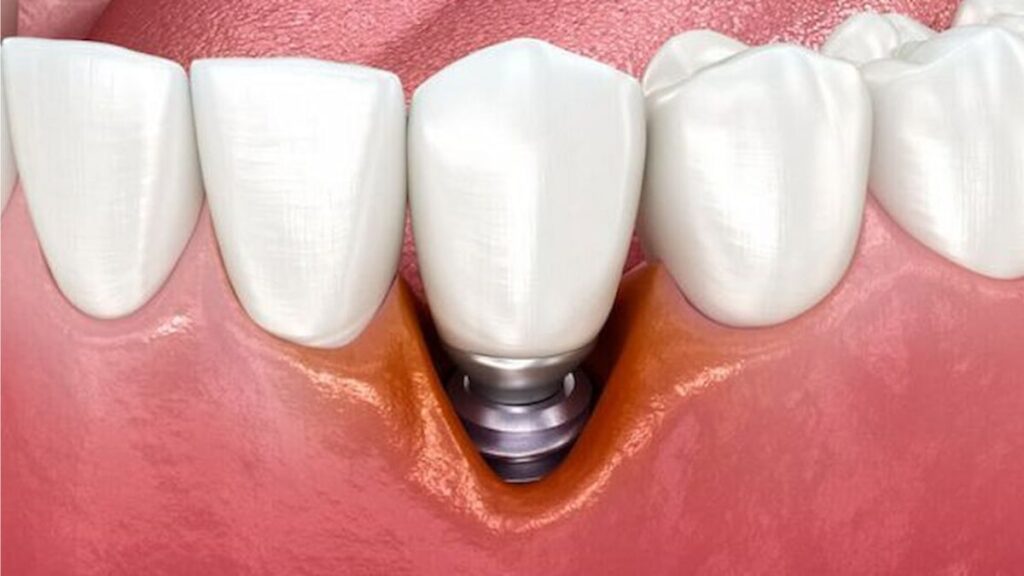
Soft tissue health is integral to a stable and aesthetically pleasing outcome. Proper flap design minimizes trauma to the tissues and reduces healing times. Having sufficient keratinized tissue around the implant helps prevent future inflammation and gum recession. The final restoration must fit precisely to maintain a healthy seal between the crown and the underlying tissue. Inadequate tissue management can result in infection, slow healing, and a higher risk of peri-implantitis, a major cause of implant failure. Surgeons and restorative dentists need to stay alert to these risks.
Adherence to Post-Operative Care
Once surgery is complete, patients must strictly adhere to their dentist’s post-operative instructions. Eating soft and lukewarm foods (such as yogurt, applesauce, or scrambled eggs) for the first few days and avoiding hard, crunchy, or spicy items can help reduce trauma and irritation at the surgical site. Patients should also avoid using straws and vigorous rinsing to prevent dislodging the blood clot or sutures. Regular, gentle rinsing with a saltwater solution aids in overall healing.
Regular Follow-Up Appointments
Ongoing monitoring is crucial for achieving successful dental implant results. Regular follow-up appointments allow the clinician to assess tissue healing, ensure the implant is stable, and catch early signs of infection or abnormal bone loss. These visits also provide an opportunity for professional cleaning and to reinforce oral hygiene guidance. Patients who skip regular check-ups risk missing complications that could compromise the implant’s integrity. The Mayo Clinic provides additional information on the importance of ongoing care after implant placement.
Avoiding Unhealthy Habits
Lifestyle choices significantly affect implant healing and long-term prognosis. Smoking is a significant risk factor for implant failure as it reduces blood flow to the gum tissues and inhibits cell regeneration. Similarly, excessive alcohol use irritates oral tissues and interferes with bone healing processes. Dentists strongly advise patients to refrain from these habits both before and after surgery to maximize the likelihood of successful integration and prevent complications that may compromise the investment in dental implants.
Maintaining Oral Hygiene
Achieving optimal implant results depends on consistent at-home oral hygiene. Patients need to brush gently yet thoroughly around the implant, using soft interdental brushes or specialized floss for hard-to-reach spots. Additionally, it is recommended to visit the dentist for professional cleanings at least twice a year. Skipping these daily routines allows bacteria to gather, increasing the risk of peri-implantitis, a primary cause of late implant failure. A strong partnership between dentist and patient is essential, as ongoing monitoring and education help prevent issues from worsening.
Conclusion
Dental implant, when properly placed and maintained, provide a dependable and natural-feeling solution for missing teeth. The best results require careful planning, skillful execution, continuous communication between patients and dentists, and a strong commitment to good oral hygiene. By recognizing the significance of each phase and avoiding common mistakes, patients and providers can work together to ensure that implants serve as a lasting benefit to oral health and appearance.