
In an industry as fast-paced and competitive as construction, the permitting phase is a crucial juncture that can either accelerate development or create frustrating, avoidable hold-ups. Construction permitting has traditionally been a complex and daunting process, often marked by bureaucratic red tape, regulatory ambiguity, and the potential for costly missteps. With multiple layers of regulation, diverse requirements, and a growing demand for new buildings and infrastructure, both municipalities and developers are aggressively seeking out efficient solutions to keep projects on track. Navigating this process can be bewildering for even experienced developers, but working with dedicated consultants such as Burnham Nationwide can help modernize and clarify the experience for all parties involved. These experts specialize in orchestrating smoother workflows, anticipating regulatory requirements, and shepherding projects through municipal review, which is increasingly vital as cities look to manage growth responsibly and profitably.
Delays due to outdated permitting practices not only impede the progress of project planners and contractors but can also negatively affect city revenue, local economies, and community growth. Inefficient processes often result in significant financial losses that ripple across a wide range of stakeholders, causing heightened frustration among developers and residents alike. Fortunately, forward-thinking initiatives are now reshaping the way permits are reviewed and approved by leveraging digital advancements and thoughtful policy reforms. These initiatives aim to improve the speed, transparency, and accuracy of the permitting process, reducing the likelihood of human error and confusion, while increasing stakeholder satisfaction and civic trust.
The Challenges of Traditional Permitting
The conventional approach to construction permitting often leads to a host of inefficiencies and administrative headaches. Applicants are frequently plagued by overwhelming paperwork requirements, lengthy in-person submissions, slow manual reviews, and uncertain approval timelines. The sheer amount of documentation required and the need to physically shuttle papers between offices can introduce numerous risks of error and miscommunication, sometimes forcing applicants to make repeated submissions or fix relatively minor inconsistencies. These bottlenecks have been starkly evident in places like Honolulu, where a severe backlog at the city’s Department of Planning and Permitting left numerous development projects stalled, disrupting both community growth and the local government’s ability to collect vital revenue.
This excessive reliance on outdated, paper-based methods slows progress in a rapidly changing industry. Not only do employers and construction professionals suffer from the resulting schedule disruptions, but delays in permitting can cascade throughout the entire project timeline, impacting labor management, material procurement, and financing arrangements. The domino effect triggered by such bottlenecks extends risk and increases costs, highlighting the urgent need for systemic modernization within municipal regulatory structures.
Technological Innovations in Permitting
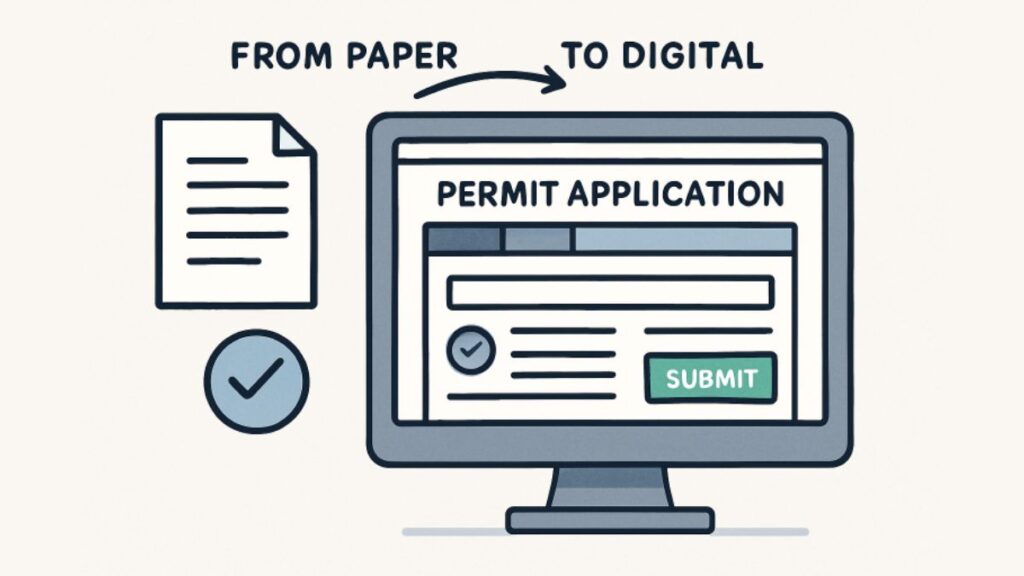
Forward-thinking cities and counties have begun turning to digital solutions to untangle the web of permitting obstacles that have built up over generations. For instance, Lancaster, California, implemented an AI-powered permitting platform, directly teaching the local government how to automatically review and process a large proportion of permit requests much faster than ever before. By digitizing plan reviews and automating the approval workflow, these cutting-edge tools reduce or eliminate the need for multiple in-person visits and complex resubmissions. They create streamlined communication channels between applicants, city employees, and stakeholders, which is critical for reducing costly miscommunication. Similar digital platforms are being adopted by municipalities, both large and small, across the United States, delivering increased transparency and significant savings for government agencies and permit applicants.
Such widespread digital adoption is not limited to major metropolitan areas or wealthy jurisdictions. Small towns and growing suburbs are likewise recognizing that investing in user-friendly permitting software, online permit-tracking portals, and even AI-assisted plan-review platforms can increase accessibility and fairness for residents and expanding businesses. These solutions also lighten the administrative load for city staff, letting them focus on truly value-added review and customer service tasks, which, over time, build trust and satisfaction among civic stakeholders.
Policy Reforms and Legislative Actions
Beyond technological upgrades, well-crafted legislative and policy reforms are often necessary to overcome entrenched regulatory barriers and administrative inertia. The U.S. House of Representatives’ recent approval of the PERMIT Act is a telling example. This legislation is designed to expedite critical infrastructure projects by balancing rigorous environmental oversight with the need to shorten permit review periods, particularly as they relate to Clean Water Act regulations, which have historically been a source of delay. Ongoing reforms at both the federal and state levels are crucial not only for resolving current delays but also for preventing new regulatory bottlenecks from forming as construction needs evolve.
Local Government Initiatives
Many local governments are serving as innovative laboratories for process improvement and regulatory modernization. Cities like Cleveland are carrying out ambitious overhauls of their outdated permitting systems to demystify application requirements, shorten approval times, and provide developers with a much clearer, more predictable path to project approval. These targeted administrative reforms often include consolidating plan review teams to increase coordination, standardizing checklists to reduce application inconsistencies, and publishing detailed, plain-language guidelines online so that developers can proactively align submissions with city expectations. Such moves have proven successful in reducing delays, simplifying compliance, and decreasing the number of unnecessary clarifications required between city officials and applicants.
Benefits of Streamlined Permitting
Communities leading the way in permitting innovation are already seeing impressive and tangible results. Faster permit approvals translate directly to dramatically shorter overall build times, allowing projects to break ground and reach completion more quickly. In addition, these processes are driving lower administrative costs through reduced paperwork and improved staff efficiency, thereby fueling local economic activity. Albuquerque, for example, has instituted an express permitting pathway and a third-party review process, enabling complex projects to move through approval far more rapidly than under traditional approaches. The city’s model underscores how regulatory efficiency benefits developers, strengthens municipal budgets, and builds long-term public trust. Such examples highlight the broader value for communities: streamlined permitting catalyzes growth, job creation, and enhanced civic engagement. For a deeper look at technology trends shaping the future of construction, see this coverage from Engineering News-Record.
Challenges and Considerations
Although significant advances are being made, both municipal leaders and private developers must remain alert to potential pitfalls. As digital permitting platforms grow more sophisticated, ensuring that these tools are intuitive and accessible for users of varying technical skills is paramount for successful adoption. Comprehensive training programs, proactive public outreach, and phased rollouts can all help reduce friction and facilitate a smooth transition to new systems. At the same time, municipalities must maintain rigorous review standards throughout modernization efforts to preserve construction quality and protect public safety. They must balance the drive to increase efficiency with the need for accountability, ensuring that critical issues are never overlooked in the rush to streamline workflows and reduce costs.
Conclusion
With construction demand intensifying and project timelines continuing to tighten nationwide, the evolution of permitting processes must remain a top priority for industry stakeholders and public officials alike. By embracing next-generation technology solutions, advocating thoughtful policy reforms, and equipping city staff with modern tools, government agencies and developers can build regulatory systems that are fair, responsive, and resilient. Ongoing improvement in permitting systems not only supports more predictable project delivery and compliance but also helps foster the sustainable economic growth and vitality of American communities.