
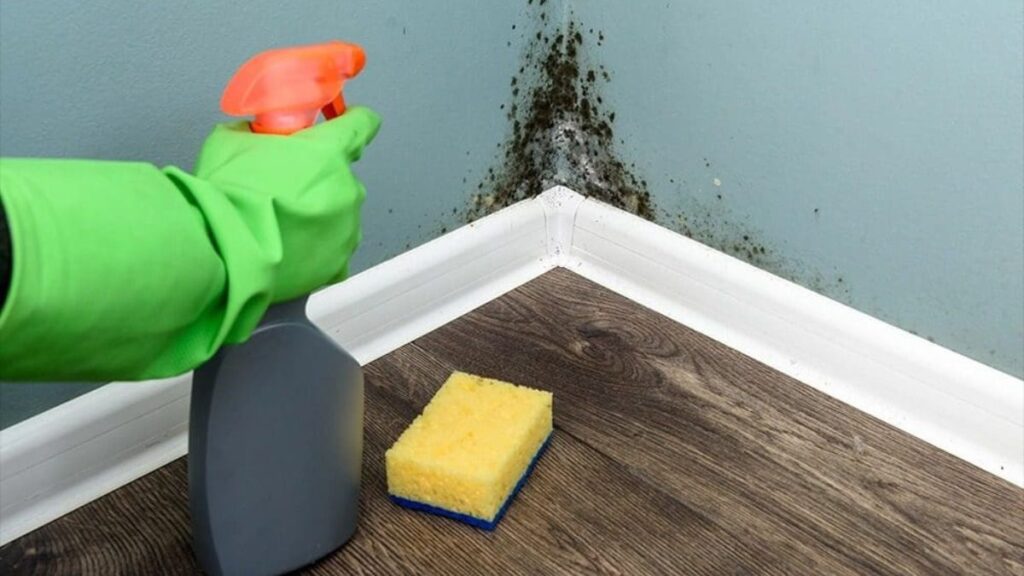
After a home experiences water intrusion, preventing mold growth becomes a crucial step to protect both the structure and the health of its occupants. Mold thrives in damp, warm environments, so addressing moisture quickly is essential. Start by thoroughly drying affected areas, including walls, floors, and any hidden spaces where water might have seeped. Using fans, dehumidifiers, and proper ventilation can significantly reduce the risk of mold forming. Additionally, removing wet materials such as carpets, insulation, or drywall that cannot be fully dried helps prevent spores from spreading.
Timely intervention often involves professional water damage restoration to ensure all moisture is eliminated and affected areas are properly treated. These services can identify hidden pockets of water, sanitize surfaces, and apply preventive measures to reduce mold growth. By promptly and thoroughly addressing water damage, homeowners can minimize long-term damage and maintain a healthier indoor environment.
Immediate Water Removal
Rapid removal of standing water is the first and most urgent step after sustaining water damage. Mold can begin to develop mere hours after moisture exposure, so there is no time to waste. Use pumps, wet/dry vacuums, or absorbent towels and mops to clear as much water as possible from all affected rooms. Ignoring this window may allow mold to take hold and complicate later cleanup, increasing both risk and cost.
Be vigilant about checking all areas, including behind appliances and beneath furniture, as lingering water in these areas can foster hidden mold growth. Take special care with electrical systems and be sure to turn off the main power if standing water is near outlets or wiring.
Drying and Dehumidification
With visible water removed, thorough drying is your next priority. Increase ventilation by opening doors and windows where possible. Utilize fans to create airflow and set up dehumidifiers to continuously extract moisture from the indoor air until the area reaches a relative humidity below 50%. This setup not only dries the space faster but also prevents new mold growth. Keep dehumidifiers running for several days and monitor humidity levels with a hygrometer for accuracy.
Some building materials, like wood and concrete, retain moisture for longer than you might expect, so do not stop drying procedures prematurely. Persistent dampness is a primary culprit in the development of later mold problems.
Removal of Porous Materials
Materials such as carpeting, insulation, drywall, and fabric upholstery absorb water quickly and can serve as breeding grounds for mold. If these items remain wet for 24 to 48 hours, they are often not salvageable and should be removed and disposed of responsibly. Prompt removal limits mold spread and prevents spores from infiltrating other parts of the home.
It may be tempting to keep valuable, sentimental, or expensive items, but unless thorough, professional-grade drying and cleaning are possible, these materials increase long-term health risks and may cost more to remediate if left unchecked.
Cleaning and Disinfection
Once physical drying is complete, attention must shift to cleaning and disinfecting all exposed surfaces. Mold spores may still be present on floors, walls, furniture, and non-porous belongings. Use a cleaning solution of 1 cup bleach per gallon of water, or purchase an EPA-registered mold disinfectant. Apply solutions generously and allow them to contact the surfaces for 10 to 15 minutes before thoroughly wiping or rinsing.
Do not overlook less obvious areas, such as baseboards and the undersides of shelving, as mold can spread to these locations imperceptibly. Personal protective equipment is recommended whenever working with these solutions or potentially contaminated materials.
Monitoring Hidden Moisture
Because moisture can permeate walls, subflooring, and ceilings, where visual inspection is insufficient, monitoring for hidden dampness is essential. Moisture meters and thermal imaging cameras are effective tools for detecting hard-to-see water infiltration. Regularly scan areas adjacent to the original damage site, as water can migrate through building materials more quickly than expected.
Failing to address these hidden pockets creates the perfect environment for delayed mold growth, which can spring up weeks or even months after the initial incident if left unchecked.
Maintaining Low Humidity Levels
Even after drying and repairs, maintaining a home environment with humidity below 50% acts as a strong safeguard against mold recurrence. Continue to run dehumidifiers in prone areas like basements and bathrooms, and consider installing exhaust fans where ventilation is limited. Periodically check the humidity levels, especially during wetter seasons or if you notice condensation on windows or pipes.
Regular inspections, small repairs to address drips or leaks, and ensuring proper drainage around your home will all help prevent future mold problems.
Professional Assistance
If water damage is extensive or if you notice visible mold colonies, professional help becomes essential. Certified water damage restoration companies possess specialized tools, expertise, and training for comprehensive drying, disinfection, and, when necessary, safe mold remediation. Promptly calling in experts protects you and your family while ensuring your property is restored to safe, livable conditions, free of lingering health hazards.
Conclusion
Swift and strategic action following water damage is the most effective defense against mold infestations. Immediate water removal, focused drying and dehumidification, disposal of compromised materials, and vigilant monitoring for hidden moisture are all necessary steps for maintaining a healthy home. When in doubt or if the situation is beyond your control, do not hesitate to seek professional support to ensure a thorough cleanup and restoration. Preventing mold is far easier and less costly than eradicating it after the fact, making timely decisions crucial to your peace of mind and your family’s well-being.